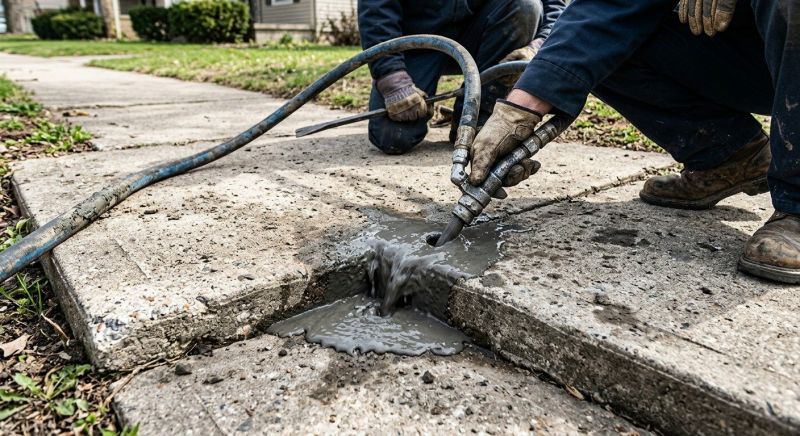
Sunken Sidewalk Repair in Tampa, FL
Sunken sidewalk repair services address uneven or lowered sections of walkways that can develop over time due to soil settling, erosion, or tree root growth. These repairs typically involve lifting and leveling the affected areas to restore a safe, even surface for pedestrians. Projects can range from small sections of sidewalk to larger pathways that connect driveways, walkways, or entryways. Property owners should consider the extent of the sinking, the cause of the issue, and the desired outcome when requesting repair services, ensuring the work will provide a stable and safe walking surface.
Before requesting sunken sidewalk repair, homeowners often want to understand the scope of work needed, the methods used to lift and level the concrete, and any potential disruptions to their property. It’s also helpful to know if additional steps, such as soil stabilization or root removal, are necessary to prevent future sinking. Clarifying these details can help property owners make informed decisions and ensure the repaired sidewalk remains safe and durable over time.
Many property owners in Tampa, FL look into Sunken Sidewalk Repair for repairs, replacements, upgrades, and appearance-related improvements.
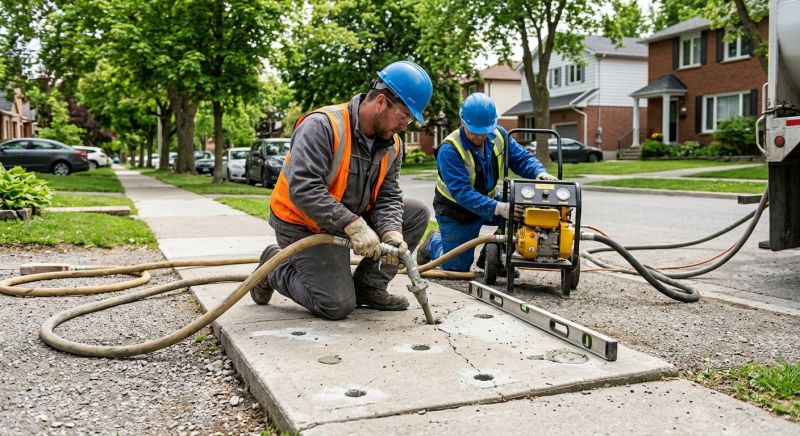
Causes Of Sunken Sidewalks
Shifting soil, poor construction, and water erosion can lead to sidewalk sinking over time.
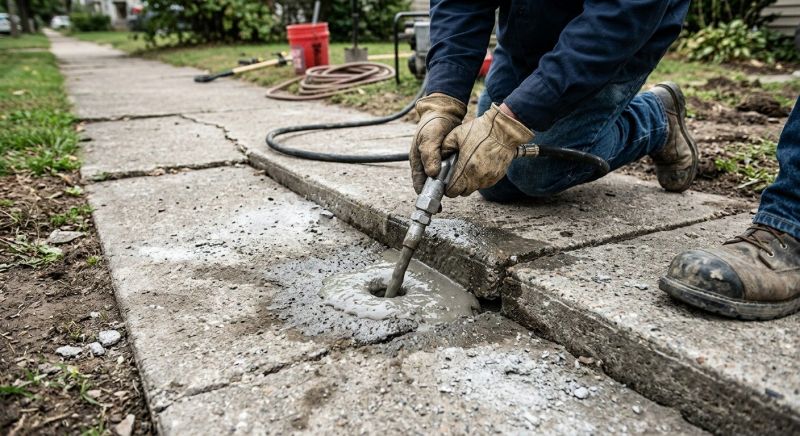
Signs Of Damage
Uneven surfaces, cracked slabs, and trip hazards are common indicators of sunken sidewalks.
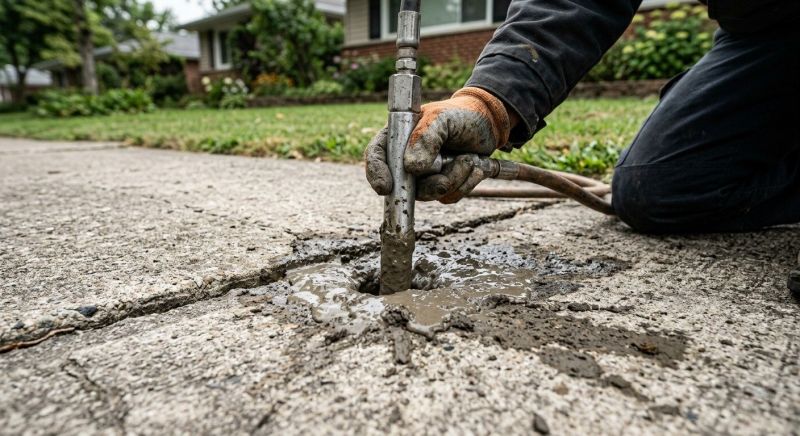
Repair Options
Solutions include mudjacking, slab replacement, and stabilization to restore safety and appearance.
Sunken Sidewalk Repair in Tampa, FL
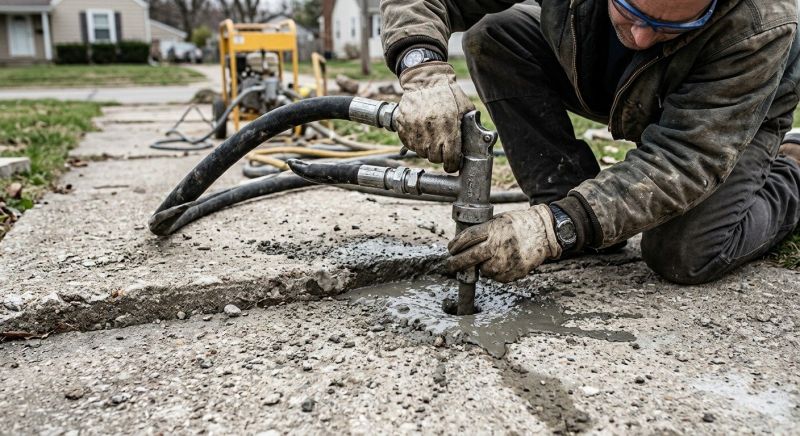
Sunken sidewalk repair services address uneven or lowered sections of walkways that can develop over time due to soil settling, erosion, or tree root growth. These repairs typically involve lifting and leveling the affected areas to restore a safe, even surface for pedestrians. Projects can range from small sections of sidewalk to larger pathways that connect driveways, walkways, or entryways. Property owners should consider the extent of the sinking, the cause of the issue, and the desired outcome when requesting repair services, ensuring the work will provide a stable and safe walking surface.
Before requesting sunken sidewalk repair, homeowners often want to understand the scope of work needed, the methods used to lift and level the concrete, and any potential disruptions to their property. It’s also helpful to know if additional steps, such as soil stabilization or root removal, are necessary to prevent future sinking. Clarifying these details can help property owners make informed decisions and ensure the repaired sidewalk remains safe and durable over time.
Many property owners in Tampa, FL look into Sunken Sidewalk Repair for repairs, replacements, upgrades, and appearance-related improvements.
Common Sunken Sidewalk Repair Jobs
Sunken Sidewalk Repair - restores uneven walkways to improve safety and accessibility.
Sidewalk Leveling - raises sunken sections to create a smooth, even surface.
Crack and Hole Repair - fills in cracks and holes to prevent further deterioration.
Concrete Resurfacing - applies a new surface to improve appearance and durability.
Subgrade Stabilization - reinforces the ground beneath the sidewalk to prevent future sinking.
Drainage Solutions - addresses water issues that contribute to sidewalk settling.
Sunken Sidewalk Repair Questions
What causes sidewalks to sink? Sidewalks can sink due to soil erosion, poor compaction, or changes in moisture levels beneath the surface.
Is sunken sidewalk repair necessary for safety? Yes, repairing sunken sidewalks helps prevent tripping hazards and maintains property safety.
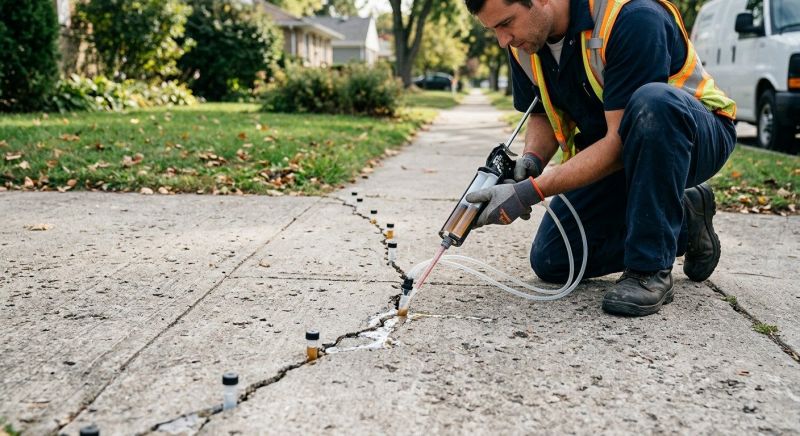
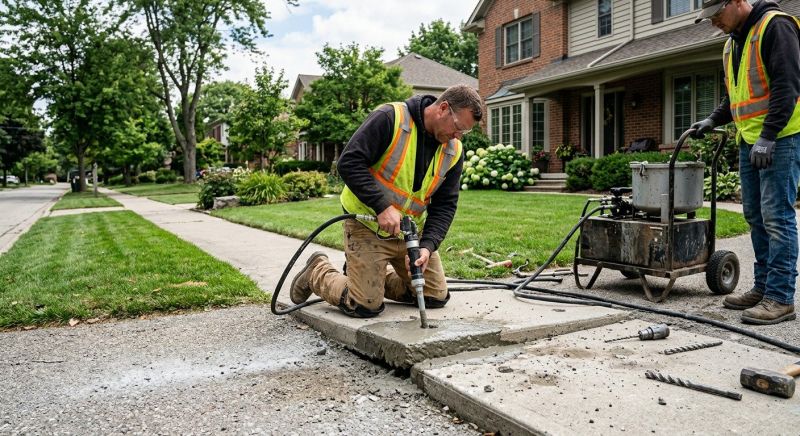
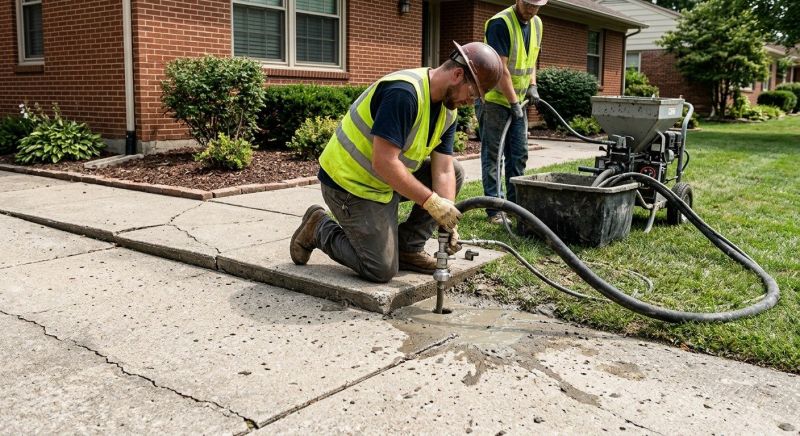
What types of repair options are available? Repairs may include leveling, mudjacking, or replacement, depending on the extent of the damage.
How can property owners prevent sidewalk sinking? Proper drainage and soil stabilization around the sidewalk can reduce the risk of future sinking.
Request Sunken Sidewalk Repair in Tampa, FL
Use the quote form on this page to share the basics of your project and request more information for the type of work you need.